 By Admin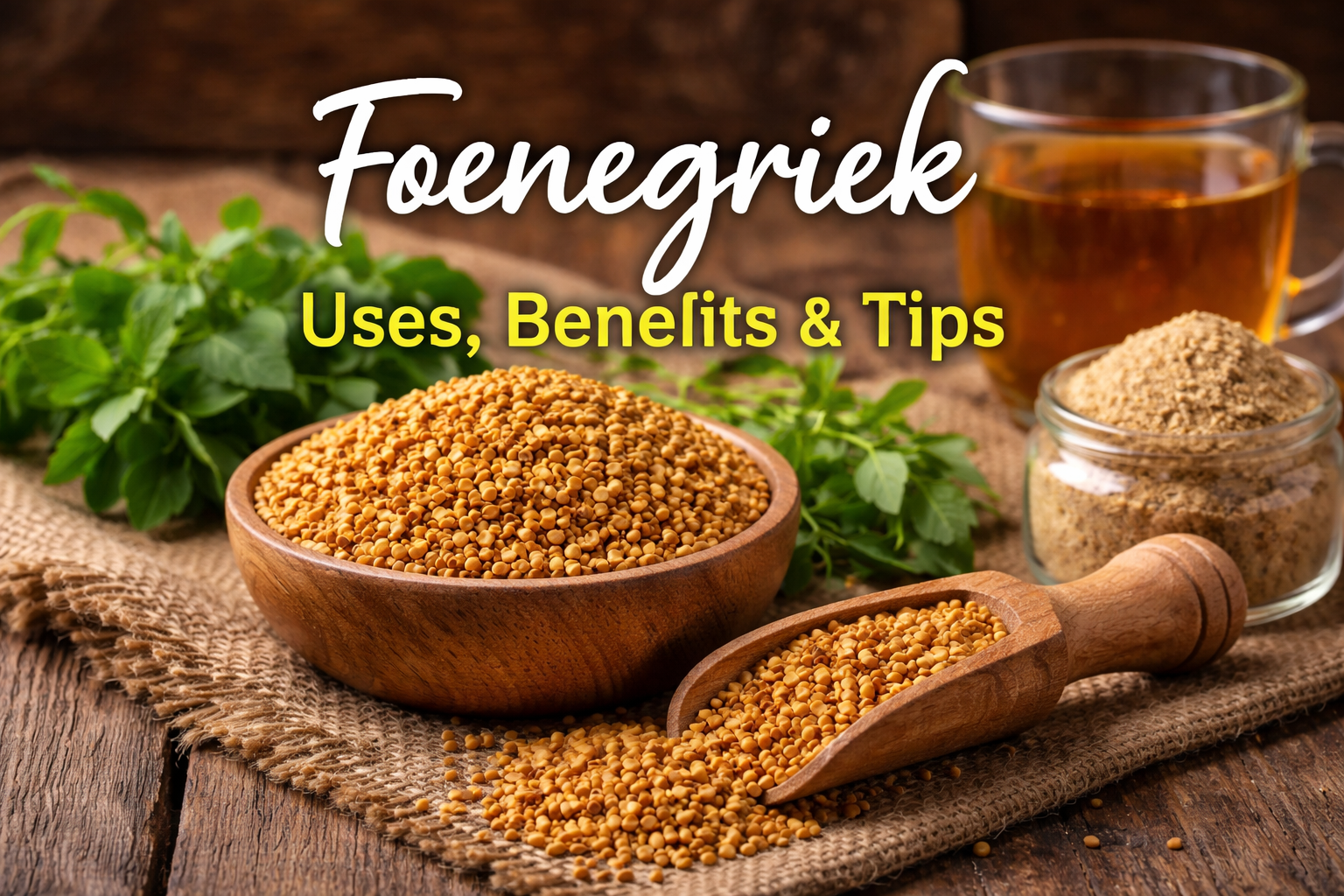
Foenegriek… yeah, the name sounds a bit unusual at first. But chances are, you’ve already come across it — maybe in a curry, maybe in a herbal tea, or even in some “natural remedy” video online. It’s actually just fenugreek, a small seed with a surprisingly big reputation.
And honestly? It’s one of those ingredients that people either love… or take a while to get used to.
So, what exactly is foenegriek?
Foenegriek comes from a plant that grows small pods filled with hard, yellowish seeds. These seeds are what most people use. They’ve been around for centuries — in cooking, in traditional medicine, and even in ancient healing systems.
The taste is… interesting. Slightly bitter at first. Then a bit nutty. Some people say it reminds them of maple syrup later on — which sounds weird, but once you try it, you kind of get it.
And yes, it’s used in:
- Indian curries
- Spice blends
- Herbal teas
- Even homemade remedies
Simple plant. Many uses.
Why are people talking about it so much?
Here’s the thing — foenegriek isn’t just about flavor anymore. These days, people are more interested in its benefits. You’ll hear things like:
“It helps with blood sugar.”
“It improves digestion.”
“It boosts milk supply.”
And while some of that might have truth to it… it’s not as clear-cut as social media makes it sound.
Still, people use it for:
- Blood sugar control
- Cholesterol support
- Menstrual comfort
- Breastfeeding support
- General digestion
But… and this is important… not all of these are fully proven. Some are based on small studies. Some are just traditional use passed down over time.
Different ways people use foenegriek
There’s no single way to use it. That’s part of its charm.
| Form | How it’s used | Real-life feel |
|---|---|---|
| Whole seeds | Soaked or cooked | Strong taste, takes getting used to |
| Powder | Mixed in food | Easier, less intense |
| Tea | Boiled in water | Mild but slightly bitter |
| Capsules | Supplement form | Convenient, but depends on quality |
Honestly, if you’re new to it… starting with food is easier than jumping straight into supplements.
Let’s talk about the benefits (realistically)
Alright — no hype, just real talk.
1. Blood sugar support
Some research suggests foenegriek may help regulate blood sugar levels. But it’s not a replacement for proper treatment. Think of it as support… not a solution.
2. Digestion
A lot of people say it helps with bloating or stomach discomfort. This one feels more practical, honestly — especially when used as tea.
3. Women’s health
It’s often used for menstrual cramps or hormonal balance. Again, results vary. Some people swear by it… others feel nothing.
4. Breastfeeding
This is probably the most popular use. Many believe it helps increase milk supply. But results are mixed, and it doesn’t work the same for everyone.
So yeah — benefits exist, but they’re not guaranteed.
But… is it completely safe?
Not always. And this is where people usually don’t pay enough attention.
Foenegriek is natural — but natural doesn’t always mean harmless.
Some things to keep in mind:
- It can cause stomach upset (gas, diarrhea, discomfort)
- It may lower blood sugar too much if combined with medication
- It can interact with blood-thinning medicines
- It’s not safe in large amounts during pregnancy
- Some people may have allergies (especially if sensitive to peanuts or chickpeas)
So yeah… don’t just take large amounts without thinking.
A small tip (from experience-type advice)
If you’re trying foenegriek for the first time…
Start small.
Like, really small.
- Add a pinch to food
- Try a light tea
- See how your body reacts
Because jumping straight into capsules or large doses? Not the best idea.
Final thoughts
Foenegriek is one of those old, traditional ingredients that somehow stayed relevant. And that says something.
It’s simple. Natural. A bit strong. A bit misunderstood too.
Used in food — it’s great. Adds depth, flavor, character.
Used as a remedy — it might help, but don’t expect miracles.
And honestly… that’s the best way to look at it.
Not as a magic cure.
Not as something to ignore either.
Just… a useful little seed, with history behind it, and potential — if used the right way.